Upper Primary - Years 3 to 6
The Upper Primary years are an important stage in developing students' independence, confidence and responsibility as learners. At the Australian International School Dubai, students build on the strong foundations developed in their early primary years while taking greater ownership of their learning.
Through our student-led, strengths-based approach and the Australian Curriculum, students develop their knowledge and skills across English, Mathematics, Science, Humanities, Health and Physical Education, The Arts, Technologies and Languages, where offered. Learning experiences encourage students to ask questions, investigate, think critically and creatively, solve problems, collaborate with others and apply their knowledge in different contexts.
Through discussion, inquiry, hands-on activities and independent learning, students continue to develop key capabilities including literacy, numeracy, digital literacy, critical and creative thinking, and personal and social skills. These experiences help students become confident, capable and responsible learners as they prepare for the next stage of their education. For a comprehensive explanation of the Australian Curriculum priorities and aims, please visit the website here: Content for Australian Curriculum
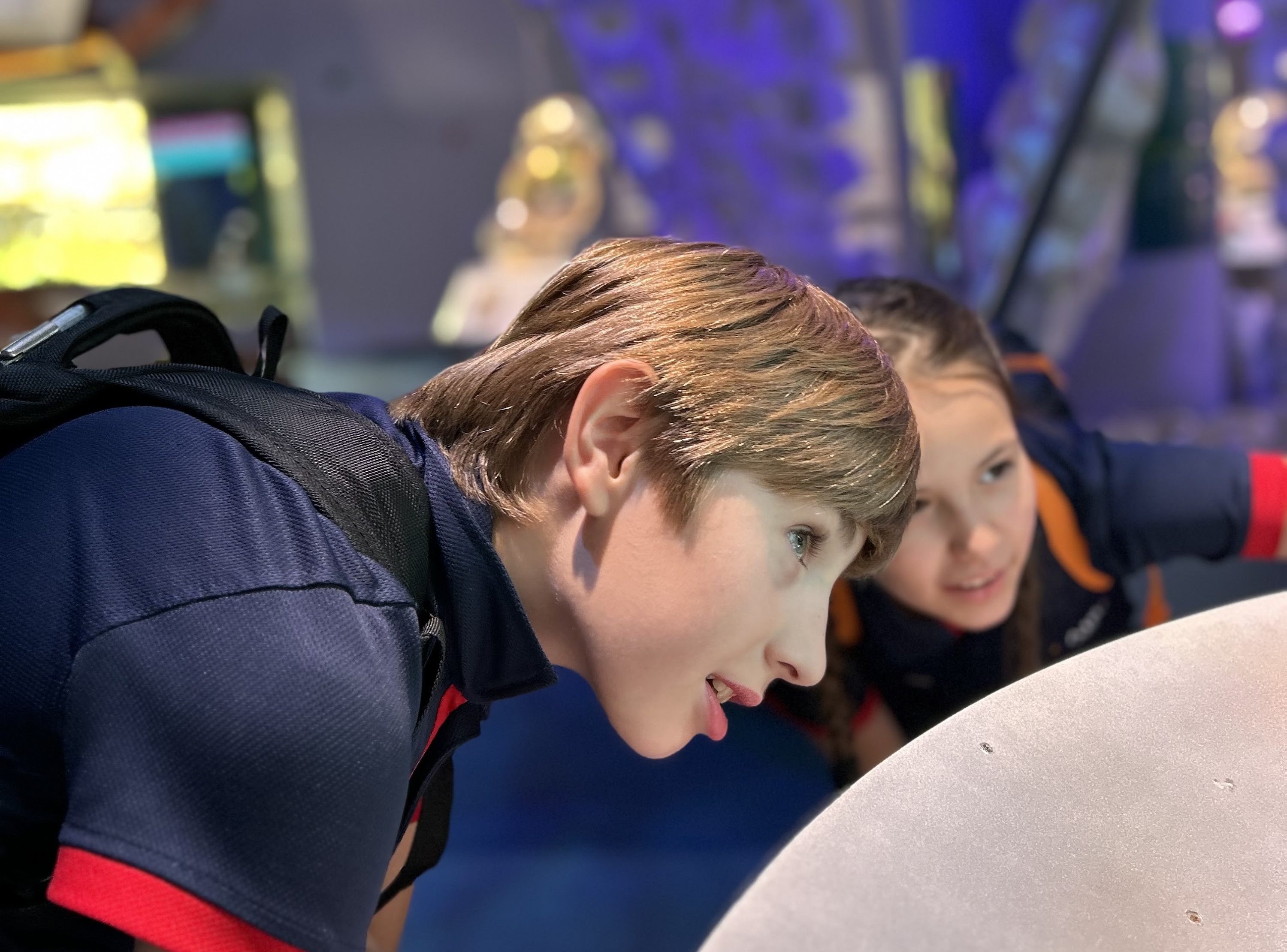
Years 3 and 4
-
Building on the foundations developed in Prep to Year 2, students in Years 3 and 4 become increasingly independent and confident in their learning. English and Mathematics continue to be key areas of focus, with students developing more complex literacy and numeracy skills and applying them across different learning areas.
Students develop their ability to read, understand and create a wider range of texts, while becoming more confident in communicating their ideas through speaking and writing. In Mathematics, students build their understanding of number, measurement, space, statistics and probability while developing their reasoning and problem-solving skills.
Across Science and Humanities, students investigate questions, explore concepts and make connections between their learning and the world around them. They have opportunities to work collaboratively, conduct investigations and use digital technologies to support and extend their learning.
An excellent summary for parents of the Australian Curriculum aims for Years 3 and 4 can be found here: - Australian Curriculum aims for Years 3 - 4
-
For further information about the Australian Curriculum aims for Years 3 and 4, please visit:
- Content for Year 3
- Achievement on a Page: Year 3
- Content for Year 4
- Achievement on a Page: Year 4
Year 5 and 6
In Years 5 and 6, students continue to develop their independence and take greater responsibility for their learning. They are encouraged to apply their knowledge and skills across different learning areas, think critically and creatively, solve problems and explain their thinking. These experiences help students develop the confidence and self-management skills needed as they prepare for the transition to Secondary School.
Students continue to develop more complex literacy and numeracy skills and apply these in increasingly varied contexts. In Science and Humanities, students investigate ideas, interpret information and explore connections between people, places, events and the wider world. Digital technologies are used to support research, communication, collaboration and learning.
Years 5 and 6 also provide opportunities for students to take on leadership and responsibility within the school community. Through student leadership roles and other opportunities to contribute, students develop communication, teamwork and personal and social skills while representing and supporting their peers. For further information about the Australian Curriculum aims for Years 5 and 6, please visit:
- Australian Curriculum aims for Years 5 - 6
-
Further in depth information for each year level can be found via these links:
- Content for Year 5
- Achievement on a Page: Year 5
- Content for Year 6
- Achievement on a Page: Year 6